Texto

Bienvenidos a lo mas viral de internet- mejor sitio de Europa, Lanzado para Latinoamerica en Febrero de 2016

miércoles, 20 de diciembre de 2023

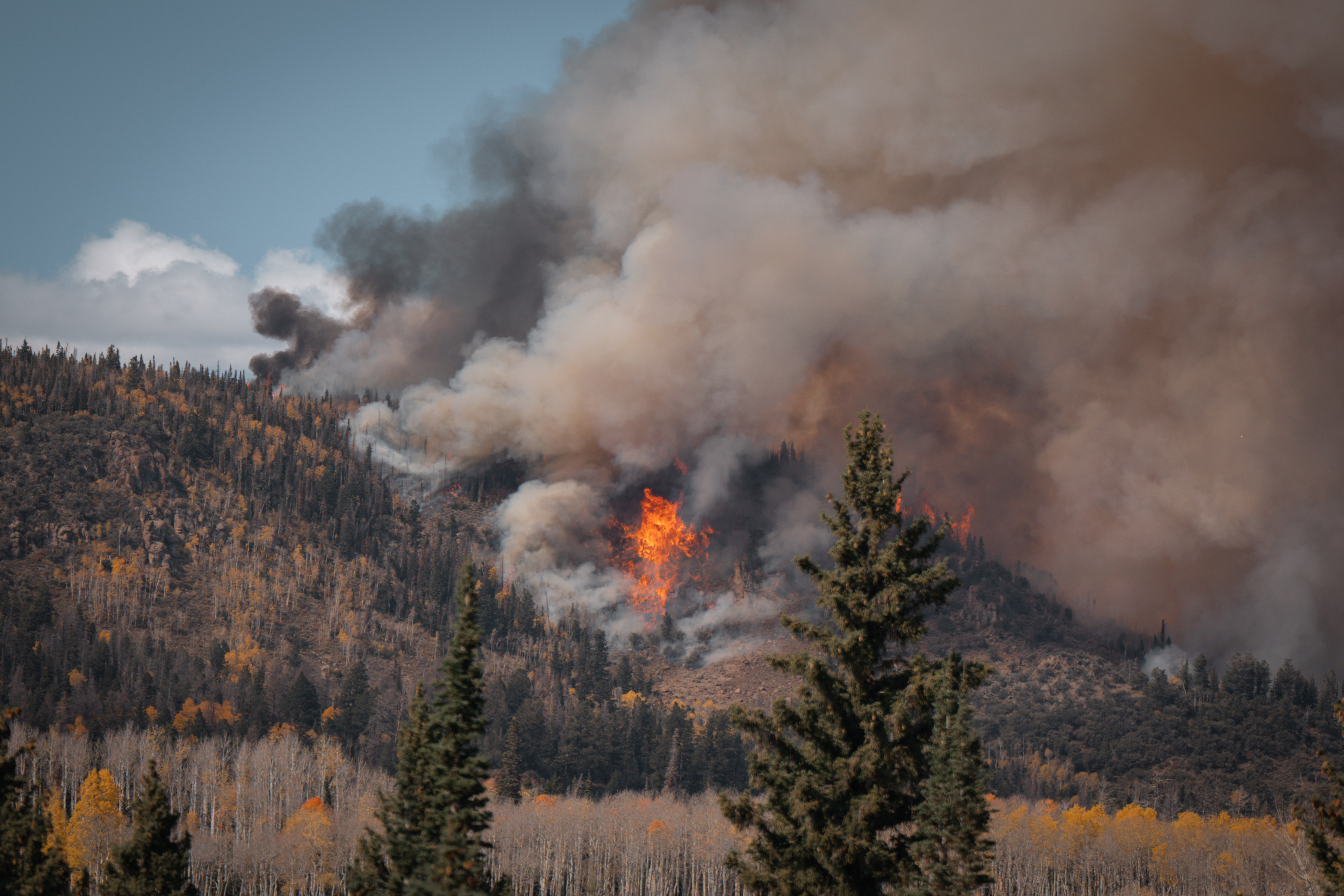
Making Fire Sense on Monroe Mountain


At the start of October 2023, green conifers and golden aspen covered the slopes of Monroe Mountain in Utah’s Fishlake National Forest. Then, starting on October 9, these forests turned black as fire worked its way across the mountain. Flames and smoke were visible for miles. via NASA https://ift.tt/blE0IBj

martes, 19 de diciembre de 2023

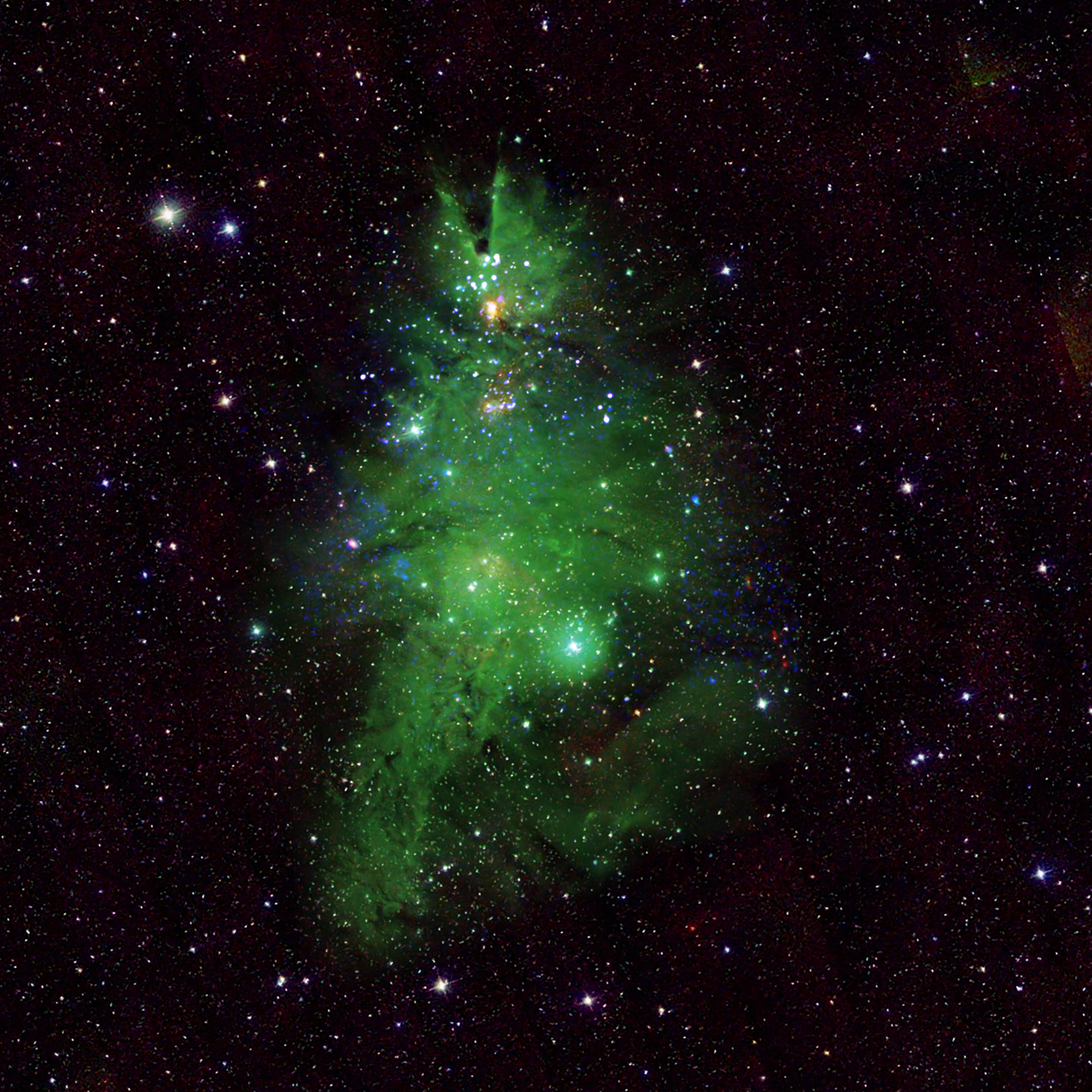
NGC 2264: Telescopes Illuminate 'Christmas Tree Cluster'


This composite image shows the Christmas Tree Cluster. The blue and white lights (which blink in the animated version of this image) are young stars that give off X-rays detected by NASA’s Chandra X-ray Observatory. Optical data from the National Science Foundation’s WIYN 0.9-meter telescope on Kitt Peak shows gas in the nebula in green, corresponding to the “pine needles” of the tree, and infrared data from the Two Micron All Sky Survey shows foreground and background stars in white. This image has been rotated clockwise by about 160 degrees from the astronomer’s standard of North pointing upward, so that it appears like the top of the tree is toward the top of the image. via NASA https://ift.tt/9ETvNBt

lunes, 18 de diciembre de 2023

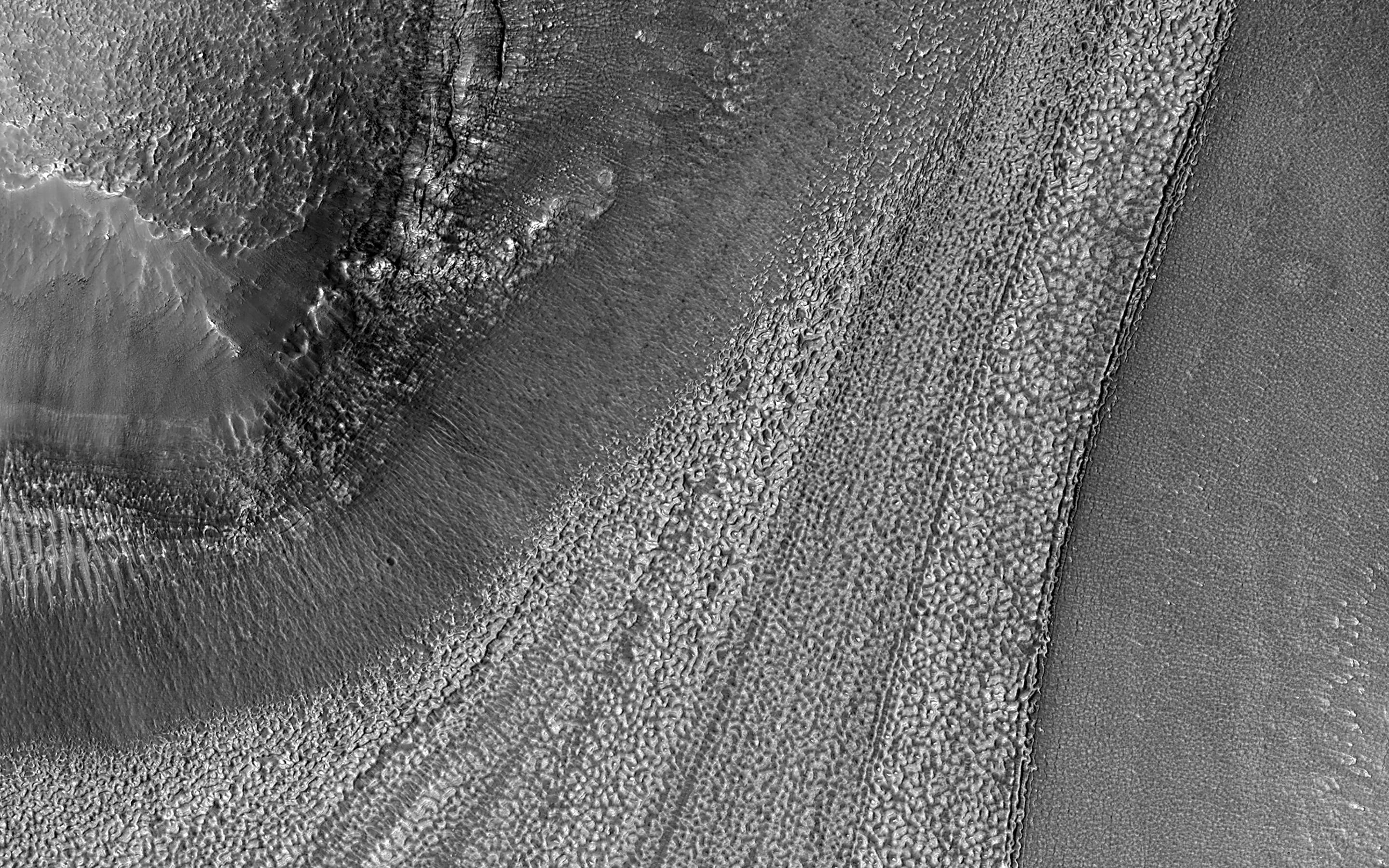
Ice Flows on Mars


The surface of Mars is littered with examples of glacier-like landforms. While surface ice deposits are mostly limited to the polar caps, patterns of slow, viscous flow abound in many non-polar regions of Mars. Streamlines that appear as linear ridges in the surface soils and rocky debris are often exposed on top of infilling deposits that coat crater and valley floors. We see such patterns on the surfaces of Earth's icy glaciers and debris-covered "rock glaciers." As ice flows downhill, rock and soil are plucked from the surrounding landscape and ferried along the flowing ice surface and within the icy subsurface. While this process is gradual, taking perhaps thousands of years or longer, it creates a network of linear patterns that reveal the history of ice flow. via NASA https://ift.tt/tnVjvGp

viernes, 15 de diciembre de 2023

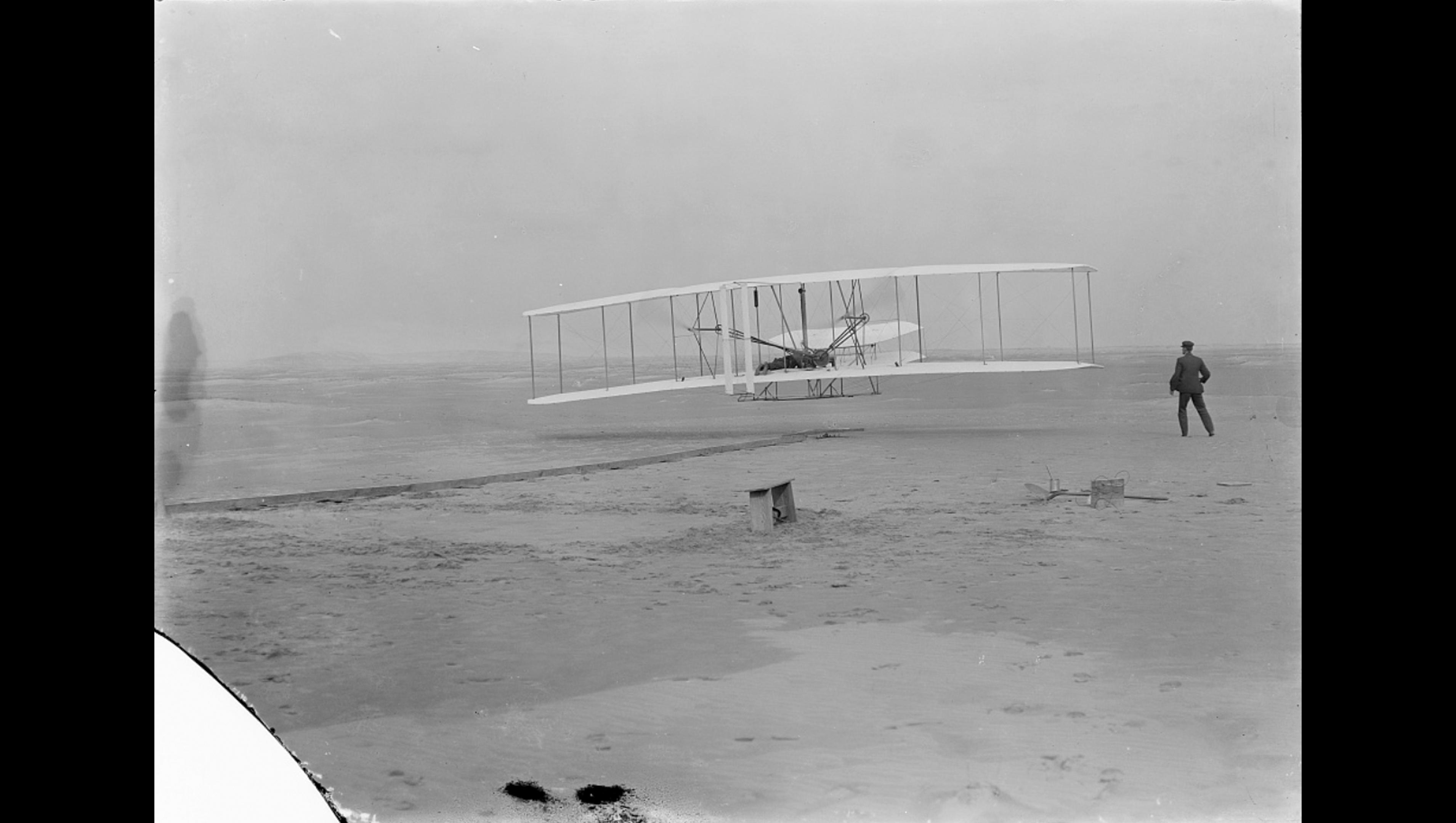
120th Anniversary of the First Powered, Controlled Flight


Orville Wright makes the first powered, controlled flight on Earth as his brother Wilbur looks on in this image taken at Kitty Hawk, North Carolina, on Dec. 17, 1903. Orville Wright covered 120 feet in 12 seconds during the first flight. The Wright brothers made four flights that day, each longer than the last. via NASA https://ift.tt/WAawHDQ

jueves, 14 de diciembre de 2023

Lead Space Launch System Avionics Engineer Ales-Cia Winsley


"Once the rocket launched, [I saw] how it illuminated such a dark space. So even when you're in a dark space, you can let your light shine. And it won't just shine for you and those that are immediately around you, but even people that you don't know will notice it, even people that you will never see will notice your light shining and be inspired.” — Ales-Cia Winsley, Lead Space Launch System Avionics Engineer, NASA’s Kennedy Space Center via NASA https://ift.tt/DR7eL2S

miércoles, 13 de diciembre de 2023

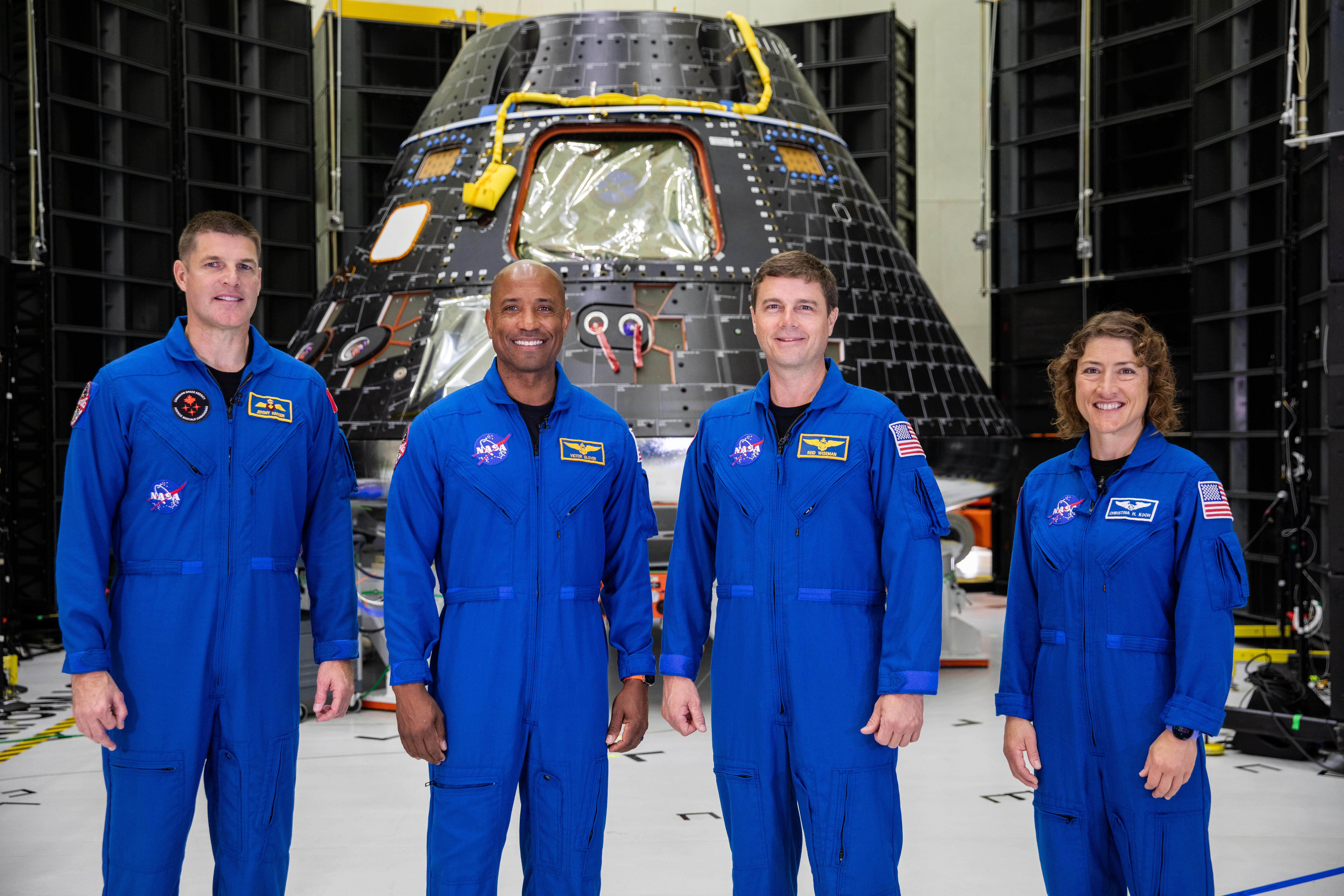
2023 in Review: Artemis II Crew Visits Kennedy


Artemis II crew members, shown inside the Neil Armstrong Operations and Checkout Building at NASA’s Kennedy Space Center in Florida, stand in front of their Orion crew module on Aug. 8, 2023. From left are: Jeremy Hansen, mission specialist; Victor Glover, pilot; Reid Wiseman, commander; and Christina Hammock Koch, mission specialist. The crew module is undergoing acoustic testing ahead of integration with the European Service Module. Artemis II is the first crewed mission on NASA’s path to establishing a long-term lunar presence for science and exploration under Artemis. via NASA https://ift.tt/ZSKhTD8

martes, 12 de diciembre de 2023

Webb Sheds Light on an Exploded Star


NASA’s James Webb Space Telescope’s new view of Cassiopeia A (Cas A) in near-infrared light is giving astronomers hints at the dynamical processes occurring within the supernova remnant. Tiny clumps represented in bright pink and orange make up the supernova’s inner shell, and are comprised of sulfur, oxygen, argon, and neon from the star itself. A large, striated blob at the bottom right corner of the image, nicknamed Baby Cas A, is one of the few light echoes visible NIRCam’s field of view. In this image, red, green, and blue were assigned to Webb’s NIRCam data at 4.4, 3.56, and 1.62 microns (F444W, F356W, and F162M, respectively). via NASA https://ift.tt/e1s25ju